
The effects of sports drinks on oral health
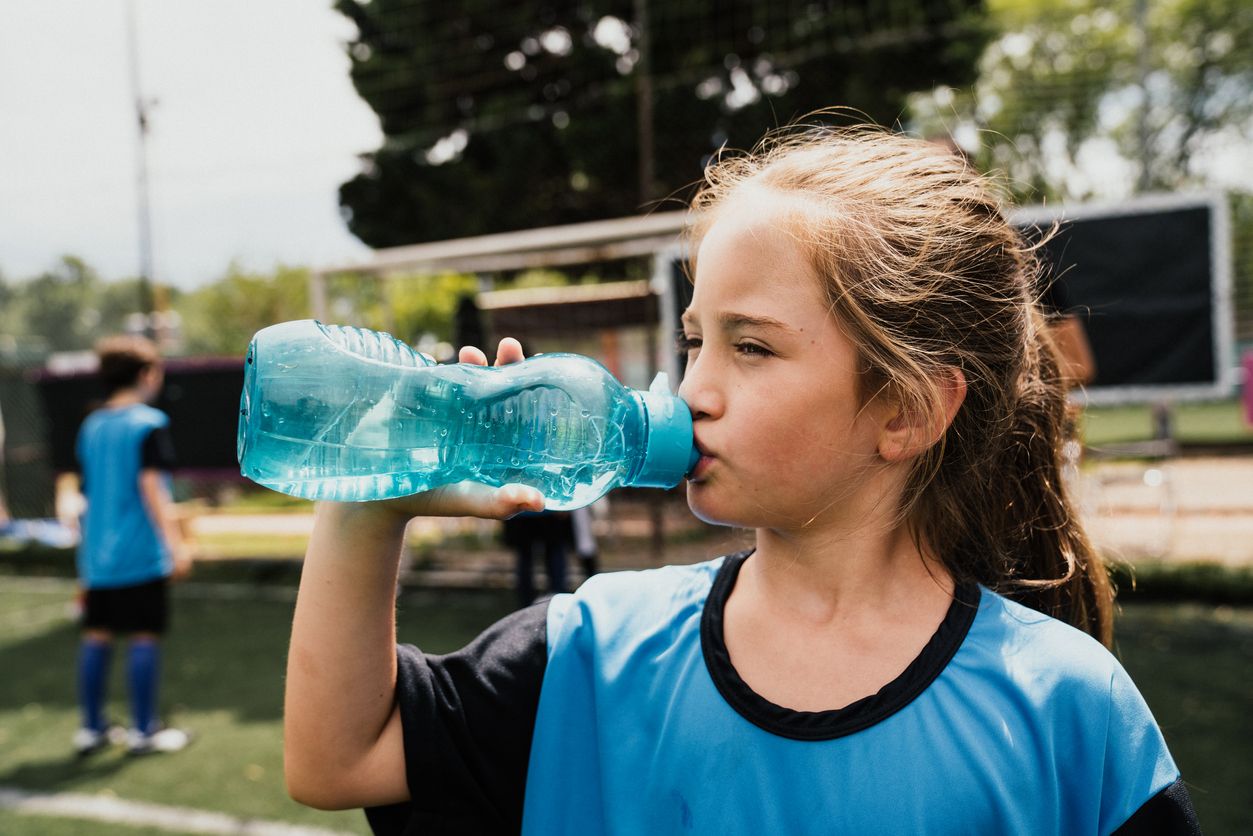
Sports drinks were developed to help support recovery for athletes after intense exercise. However, these ‘recovery drinks’ have become a staple for many people who feel they want to replenish water and electrolytes after exercise. Although sports drinks can taste and look good, the truth is that most of us don’t need to drink any fluids other than water when we exercise. The ingredients contained in sports drinks can be damaging to teeth because they contain sugars and acid which can lead to tooth decay and erosion. Often, we are unaware of what changes are occurring in our mouth, which is why regular dental check-ups with your dentist are important.
Drinking the occasional sports drink is unlikely to cause any harm. However, when consumed regularly, can be very damaging to our tooth enamel. The concentration of acids and sugar in sports drinks is generally high and this combination further enhances the risk of tooth damage. The average 600 ml sports drink contains 8.5 teaspoons of sugar as well as acids. This combination creates a low pH, typical of most sports drinks, leading to tooth erosion and damage to the protective tooth enamel. If sports drinks contain caffeine, this can also lead to high levels of energy, increasing the risk of tooth grinding with tooth breakage and loss.
Try to limit your intake of sports drinks to occasions when you really feel you’ve exerted yourself and need something more than water. Weekend sports can be a good time to enjoy a sports drink, rather than regularly drinking them.
Drinking water is the best way to rehydrate and stay well hydrated. The added benefit of water is that most towns and cities fluoridate their water supply. Fluoride helps to strengthen tooth enamel, making teeth more resistant to decay. Water is also free, readily available, and excellent for supporting general body health and well-being. If you’d prefer something with a little more fizz than plain water, consider the expert insights of the Australian Dental Association (ADA) who suggest that sparkling water is generally fine for teeth and far better for teeth than sugary drinks.
Limit your child’s intake of sports drinks by keeping these as weekend ‘treats’ after sports games. You can always dilute sports drinks with water or ice and encourage your child to drink plain water afterwards. Another protective habit is to use a straw which helps to limit teeth exposure to acidic liquid.
Make a habit of reading the nutrition information on drink labels and look for ingredients that end with ‘ose’ – e.g., glucose, sucrose. This means that sugar, in some form, is included.
While you’re at home you can also make a habit of eating and drinking foods that strengthen and protect your teeth so you can treat yourself on the weekend. Other than water, milk is a great option for a drink, helping to build tooth enamel and reduce decay. As for foods, cheese and crunchy vegetables such as carrots, celery, cucumber, and apples are all low in sugar, protective, and high in water content. Book an appointment today and keep track of your oral health so you can enjoy treating yourself without the worry of damaging your teeth.
Book an appointment


All dental procedures carry risks and require aftercare and recovery. Any decision to undertake a dental procedure should be discussed with your treating practitioner taking into account your individual circumstances. In particular, you should discuss with your practitioner common risks, aftercare and recovery. Images on this website are provided as examples only and may not be of actual patients. Individual results may vary, including due to individual factors including anatomy, and adherence to care plans.